Shatavari Roots & Seeds: Nutrition, Benefits, Uses & Side Effects
28 Jul, 2026 Herbs 53Shatavari Roots & Seeds
Shatavari, scientifically known as Asparagus racemosus, is a perennial climbing plant belonging to the Asparagaceae family. Native to India, Nepal, Sri Lanka, and parts of Southeast Asia, Shatavari has been one of the most respected herbs in Ayurvedic medicine for thousands of years.
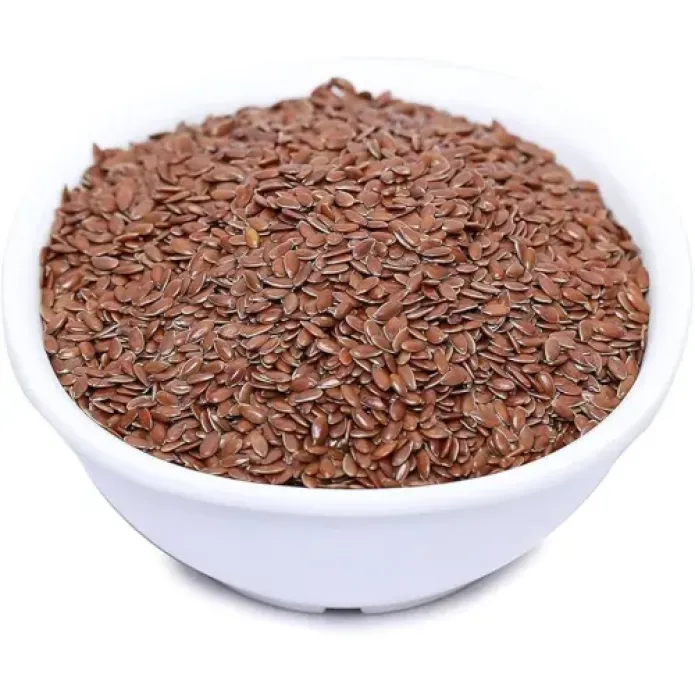
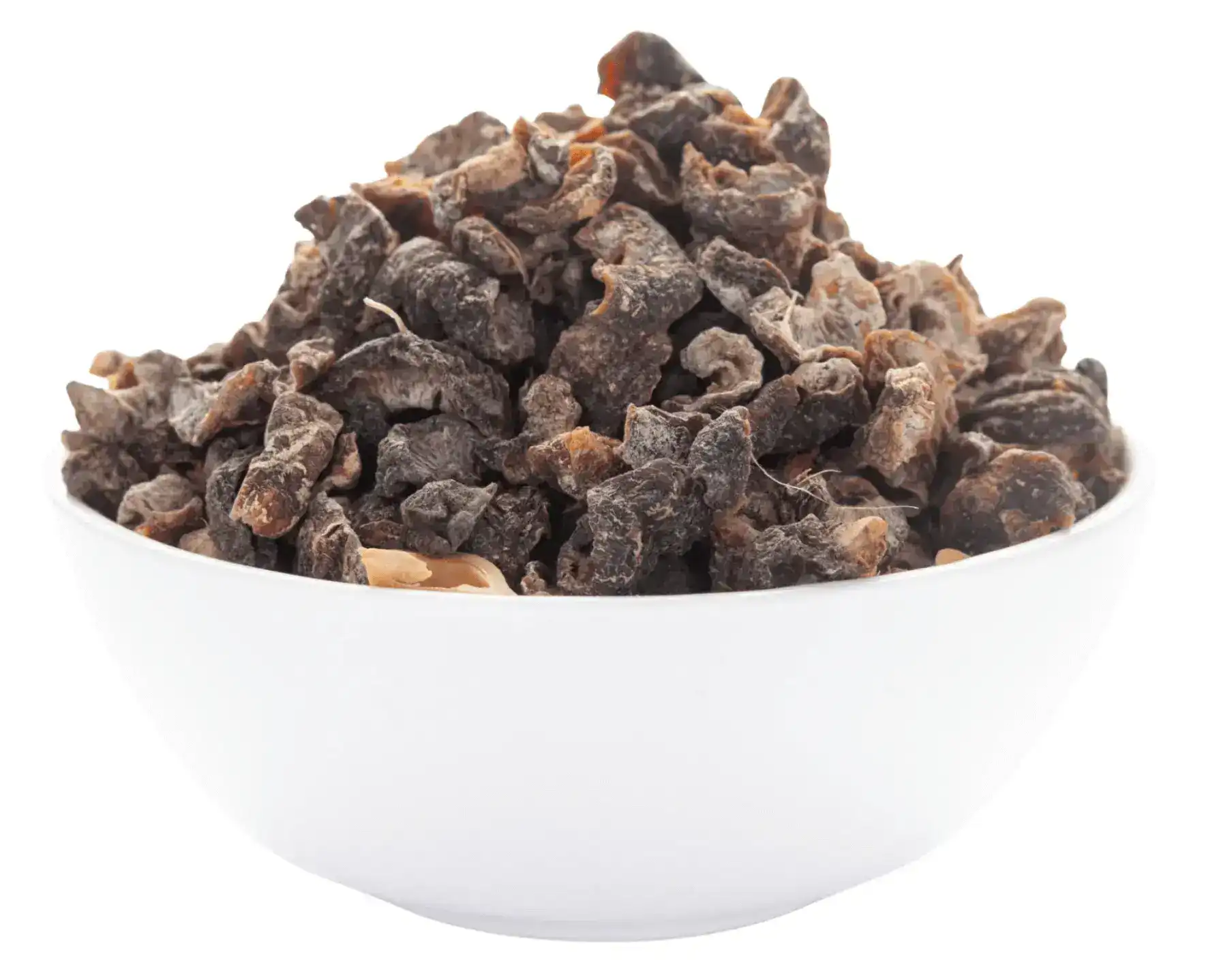
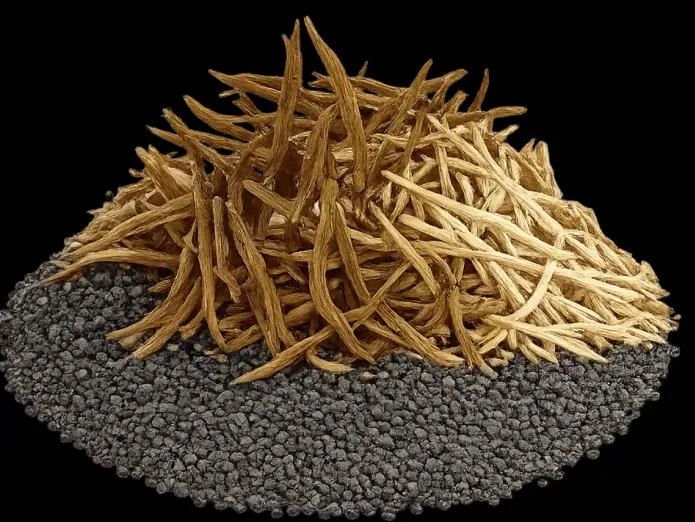
The plant is valued for both its tuberous roots and seeds. While the roots are widely used in herbal formulations, dietary supplements, and traditional wellness products, the seeds are primarily utilized for cultivation and botanical purposes.
Shatavari roots contain naturally occurring bioactive compounds including steroidal saponins (Shatavarins), flavonoids, alkaloids, polyphenols, and essential minerals. Modern scientific research continues to investigate these compounds for their potential antioxidant, adaptogenic, anti-inflammatory, and immune-supporting properties.
Today, Shatavari is widely used in Ayurvedic formulations, herbal supplements, nutraceuticals, pharmaceuticals, functional foods, and wellness products worldwide.
Nutrition Information
Shatavari Roots are primarily valued for their phytochemical composition rather than as a conventional food.
They naturally contain:
- Dietary Fiber
- Plant Carbohydrates
- Steroidal Saponins (Shatavarins)
- Flavonoids
- Polyphenols
- Alkaloids
- Essential Amino Acids
- Calcium
- Magnesium
- Potassium
- Zinc
- Natural Antioxidants
The nutritional composition may vary depending on cultivation practices, harvest maturity, and processing methods.
Potential Health Benefits of Shatavari Roots & Seeds
Shatavari has been extensively used in Ayurveda and continues to be researched for its potential health-supporting properties.
Supports Women's Health
Shatavari has traditionally been used in Ayurvedic medicine to support women's reproductive health and overall wellness throughout different stages of life. Scientific studies are ongoing to better understand these traditional uses.
Supports Immune Health
The natural saponins and antioxidant compounds found in Shatavari may help support normal immune system function as part of a healthy lifestyle.
Rich in Natural Antioxidants
Shatavari contains naturally occurring antioxidants that help protect cells against oxidative stress caused by free radicals.
Supports Digestive Health
Traditionally, Shatavari has been used to promote healthy digestion, support gastrointestinal comfort, and maintain digestive wellness.
Helps the Body Adapt to Stress
Shatavari is regarded in Ayurveda as an adaptogenic herb, traditionally used to help the body cope with everyday physical and mental stress.
Supports General Vitality
Traditional Ayurvedic texts describe Shatavari as a rejuvenating herb (Rasayana), valued for supporting overall vitality, strength, and wellness.
May Support Healthy Blood Sugar and Cholesterol Levels
Preliminary research suggests that certain bioactive compounds present in Shatavari may support healthy metabolic function. Additional clinical studies are needed to confirm these effects.
Supports Skin Health
The antioxidant and phytochemical profile of Shatavari has led to its use in herbal skincare and wellness formulations intended to support healthy skin.
Common Uses of Shatavari Roots & Seeds
Shatavari is widely used across various industries, including:
- Ayurvedic formulations
- Herbal supplements
- Nutraceutical products
- Pharmaceutical preparations
- Herbal teas
- Functional foods
- Health tonics
- Cosmetic and skincare formulations
- Traditional wellness products
- Botanical cultivation (Seeds)
Potential Risks of Shatavari Roots & Seeds
Shatavari is generally considered safe when consumed in recommended amounts.
However, some individuals may experience:
- Mild digestive discomfort
- Bloating
- Allergic reactions in rare cases
- Possible interactions with certain medications
Individuals who are pregnant, breastfeeding, taking prescription medications, or have existing medical conditions should consult a qualified healthcare professional before using Shatavari supplements.
Why Choose Premium Quality Shatavari Roots & Seeds?
High-quality Shatavari products should have:
- Proper botanical identification
- High purity
- Uniform size and color
- Low moisture content
- Hygienic processing
- Minimal foreign matter
- Careful drying and storage
- Compliance with international export quality standards
Premium Shatavari Roots and Seeds are widely preferred by Ayurvedic manufacturers, pharmaceutical companies, nutraceutical brands, herbal product manufacturers, and international importers.
Conclusion
Shatavari (Asparagus racemosus) is one of Ayurveda's most valued medicinal herbs, recognized for its long history of traditional use and rich composition of naturally occurring bioactive compounds. Widely used in herbal supplements, pharmaceuticals, nutraceuticals, and wellness products, Shatavari continues to attract scientific interest for its potential role in supporting overall health and well-being.
Selecting premium-quality Shatavari Roots and Seeds ensures superior consistency, purity, and suitability for both domestic and international markets.