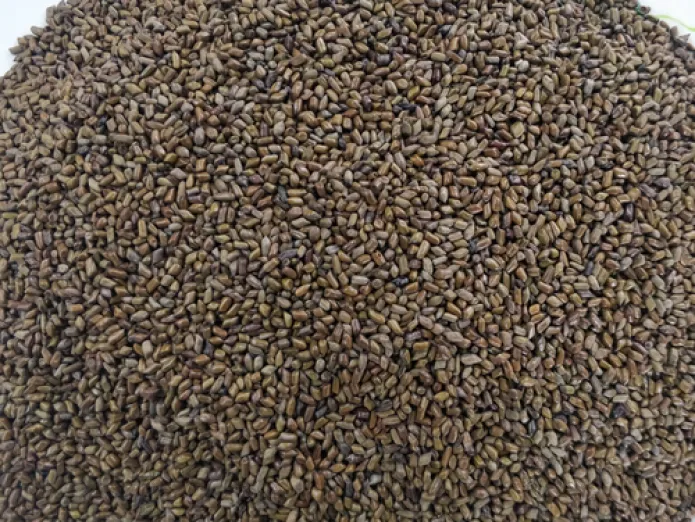
Cassia Tora Seeds
28 Jul, 2026 Herbs 42Cassia Tora Seeds
Cassia Tora Seeds are obtained from the Senna tora (formerly Cassia tora) plant, an annual herb belonging to the Fabaceae family. The plant is widely distributed across India, Southeast Asia, Africa, and tropical regions, where it has been traditionally used in Ayurveda, Traditional Chinese Medicine, and various herbal formulations.
The seeds are small, hard, brown to dark brown in color and are valued for their bioactive compounds, including anthraquinones, flavonoids, tannins, and polysaccharides. Cassia Tora Seeds are commonly used in herbal medicine, animal feed, food additives, natural gums, and industrial applications.
Researchers have studied various phytochemicals present in Cassia Tora Seeds for their potential antioxidant, antimicrobial, anti-inflammatory, and digestive-supporting properties. However, these benefits are still being investigated, and the seeds should be consumed only under professional guidance where intended for medicinal purposes.
Nutrition Information
Cassia Tora Seeds are primarily used as a medicinal herb rather than a regular food ingredient. They contain several naturally occurring plant compounds including:
- Dietary Fiber
- Plant Protein
- Natural Polysaccharides
- Anthraquinones
- Flavonoids
- Tannins
- Essential Minerals
- Various Antioxidant Compounds
The nutritional composition may vary depending on origin, harvesting season, and processing methods.
Potential Health Benefits of Cassia Tora Seeds
Cassia Tora Seeds have been traditionally used in herbal medicine for centuries. Scientific research continues to explore their potential health-supporting properties.
Supports Digestive Health
Traditionally, Cassia Tora Seeds have been used to support healthy digestion and maintain regular bowel function. Their natural fiber and bioactive compounds may contribute to digestive wellness.
Rich in Natural Antioxidants
The seeds contain flavonoids and other antioxidant compounds that may help protect cells from oxidative stress caused by free radicals.
May Support Healthy Skin
In traditional medicine, Cassia Tora preparations have been used for maintaining healthy skin. Some studies suggest that certain compounds possess antimicrobial and anti-inflammatory properties.
Supports Liver Wellness
Traditional herbal systems have used Cassia Tora Seeds in formulations intended to support normal liver function. Modern research is investigating these traditional applications.
May Help Maintain Healthy Cholesterol Levels
Preliminary research indicates that certain plant compounds present in Cassia Tora Seeds may support healthy lipid metabolism when included as part of a balanced diet.
Supports Eye Health
In Traditional Chinese Medicine, roasted Cassia Tora Seeds have long been consumed in herbal teas intended to support eye health. Scientific evidence is still limited, and further studies are required.
Natural Source of Bioactive Plant Compounds
Cassia Tora Seeds contain various phytochemicals including anthraquinones, flavonoids, and polysaccharides, which continue to be studied for their potential health-supporting properties.
Industrial Uses of Cassia Tora Seeds
Cassia Tora Seeds are widely used in several industries, including:
- Herbal and Ayurvedic formulations
- Pharmaceutical products
- Animal feed
- Natural gum manufacturing (Cassia Gum)
- Pet food industry
- Food additives (processed Cassia Gum)
- Cosmetic formulations
- Traditional herbal teas
- Agricultural applications
 Potential Risks of Cassia Tora Seeds
Cassia Tora Seeds are generally intended for industrial and herbal applications rather than routine dietary consumption.
Some individuals may experience:
- Mild digestive discomfort
- Loose stools when consumed in excess
- Allergic reactions in rare cases
- Possible interactions with certain medications
Pregnant or breastfeeding women, children, and individuals with existing medical conditions should consult a qualified healthcare professional before using Cassia Tora Seed products.
Herbal supplements containing Cassia Tora should always be used according to professional guidance.
Why Choose Premium Quality Cassia Tora Seeds?
High-quality Cassia Tora Seeds should have:
- High purity
- Uniform brown color
- Low moisture content
- Excellent cleanliness
- Minimal foreign matter
- Proper drying and storage
- Hygienic processing
- Compliance with export quality standards
Premium-grade Cassia Tora Seeds are preferred by herbal manufacturers, pharmaceutical companies, gum manufacturers, and international exporters.
Conclusion
Cassia Tora Seeds have a long history of use in traditional herbal medicine and remain an important raw material for the pharmaceutical, nutraceutical, cosmetic, animal feed, and food processing industries. Rich in natural bioactive compounds, they continue to be studied for their potential health-supporting properties. Choosing high-quality, properly processed Cassia Tora Seeds ensures better consistency, safety, and performance across various industrial applications.